Foxe’s Book of Martyrs, a detailed historical and martyrological work, is readily available as a 2.6G PDF via the Internet Archive.
This comprehensive account, penned by John Foxe (1516-1587), chronicles the lives and deaths of early Christians and Protestant martyrs.
Historical Context of the Book
Foxe’s Book of Martyrs emerged during the tumultuous 16th century, a period defined by the Protestant Reformation and intense religious conflict. The initial English publication arose amidst persecution of Protestants under Queen Mary I, earning it the moniker “Bloody Mary;”
John Foxe, witnessing firsthand the suffering of fellow Protestants, meticulously documented their stories as a testament to their faith and resilience. The PDF versions available on platforms like the Internet Archive reflect editions published later, such as the 1851 edition edited by Milner, and Knight and Son’s publication from London.
These editions, totaling 704 pages, served to solidify Protestant identity and provide a powerful narrative against Catholic oppression, becoming a cornerstone of Reformation-era literature.
John Foxe: Author and His Background
John Foxe, born in 1516 and passing in 1587, was an English cleric and historian profoundly shaped by the religious upheavals of his time. Initially a fellow at Magdalen College, Oxford, he embraced Protestantism and faced persecution during Queen Mary I’s reign, even experiencing imprisonment.
This personal experience fueled his dedication to documenting the stories of martyrs. The PDF versions circulating today, sourced from the Internet Archive, showcase his life’s work. Foxe’s meticulous research and passionate writing style transformed The Actes and Monuments into a powerful and enduring testament to faith.
His commitment to preserving these narratives cemented his legacy as a key figure in Protestant historiography.
The Full Title and Its Significance
The complete title of Foxe’s work, “Foxes book of martyrs : a complete and authentic account of the lives, sufferings, and triumphant deaths of the primitive and Protestant martyrs in all parts of the world, with notes, comments and illustrations,” reveals its scope and purpose.
Available as a PDF on platforms like the Internet Archive, the title emphasizes the book’s comprehensive nature, aiming to provide a definitive record of persecution. The inclusion of “triumphant deaths” highlights a core theological belief – that suffering for faith leads to eternal reward.
This framing was crucial in bolstering Protestant resolve during times of hardship.

Understanding the Content of the Book
The PDF details the lives of both primitive and Protestant martyrs globally, documenting their suffering and deaths with extensive notes and illustrations.
Focus on Primitive and Protestant Martyrs
Foxe’s primary focus, as evidenced in the readily available PDF from the Internet Archive, lies in meticulously documenting the experiences of both primitive Christian martyrs and those persecuted during the Protestant Reformation.
The work doesn’t simply list names; it provides detailed accounts of their lives, beliefs, and the brutal methods employed against them. This includes narratives of early Christians facing Roman persecution alongside the trials of Protestants under various regimes.
The PDF showcases Foxe’s intent to demonstrate a continuous line of suffering for the faithful, linking the early church’s struggles to the challenges faced by Protestants in his own time. He aimed to inspire resilience and faith through these powerful stories.
Geographical Scope of the Accounts
The PDF version of Foxe’s Book of Martyrs, accessible through the Internet Archive, reveals a remarkably broad geographical scope in its accounts of persecution. While rooted in European history, the narratives extend far beyond England and the continent.
Foxe details suffering in the Roman Empire, encompassing regions like Italy and North Africa, alongside accounts from various European nations including France, Germany, and Scotland. The book isn’t limited to Western Europe; it touches upon persecution in other parts of the world known to Foxe at the time.
This wide-ranging coverage underscores the universality of religious persecution and the global impact of faith.
Detailed Accounts of Suffering and Death
The Foxe’s Book of Martyrs PDF, available on the Internet Archive, is characterized by its graphic and extensive descriptions of the suffering endured by those persecuted for their faith. These aren’t merely summaries; Foxe provides detailed accounts of torture methods, imprisonment conditions, and the agonizing circumstances surrounding the deaths of martyrs.
He meticulously records the specific acts of cruelty inflicted upon individuals, aiming to evoke empathy and demonstrate the brutality of religious persecution. The narratives often include vivid depictions of burning at the stake, imprisonment, and other forms of execution.
These detailed accounts serve as a powerful testament to the resilience of faith in the face of extreme adversity.
The Role of “Triumphant Deaths”
Within the Foxe’s Book of Martyrs PDF, readily accessible through the Internet Archive, the concept of “triumphant deaths” is central to Foxe’s narrative strategy. He doesn’t simply portray martyrs as victims, but emphasizes their unwavering faith and spiritual victory during their suffering and at the moment of their death.
These deaths are depicted not as defeats, but as transitions to eternal glory, often accompanied by expressions of forgiveness towards their persecutors and steadfast declarations of their beliefs.
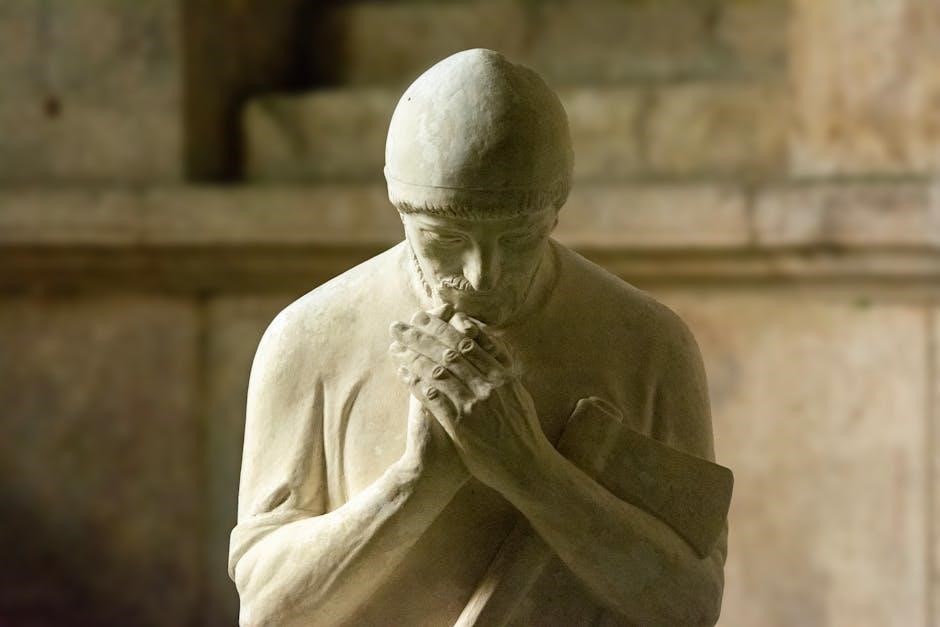
Foxe highlights the martyrs’ courage and spiritual fortitude, framing their executions as testaments to the power of their faith, inspiring readers and reinforcing Protestant ideals.

Availability of the PDF Version
Foxe’s Book of Martyrs’ PDF is freely available for download, borrowing, and streaming on the Internet Archive, a valuable digital library resource.
Internet Archive as a Source
The Internet Archive serves as a crucial repository for digitized historical texts, including multiple editions of Foxe’s Book of Martyrs in PDF format. This non-profit digital library aims to provide universal access to all knowledge.
Users can freely download, borrow (for limited periods), or stream the book directly from their web browsers. The platform’s commitment to preservation ensures that this significant work remains accessible to researchers, students, and anyone interested in religious history.
The Internet Archive’s collection includes scans from various libraries, such as the Library of Congress, broadening the availability of different versions and contributing to scholarly research.
Specific Editions Available on Internet Archive
The Internet Archive hosts several editions of Foxe’s Book of Martyrs. A prominent version originates from London, published by Knight and Son, and is part of the Library of Congress collection.
Another notable edition, edited by John Milner, was published in London by W. Tegg in 1851. These editions vary in annotations, illustrations, and introductory material, offering diverse perspectives on the original text.
Researchers can compare these versions to trace the evolution of the work and understand editorial choices made over time, enriching their understanding of its historical context and impact.
File Size and Language Options (English)
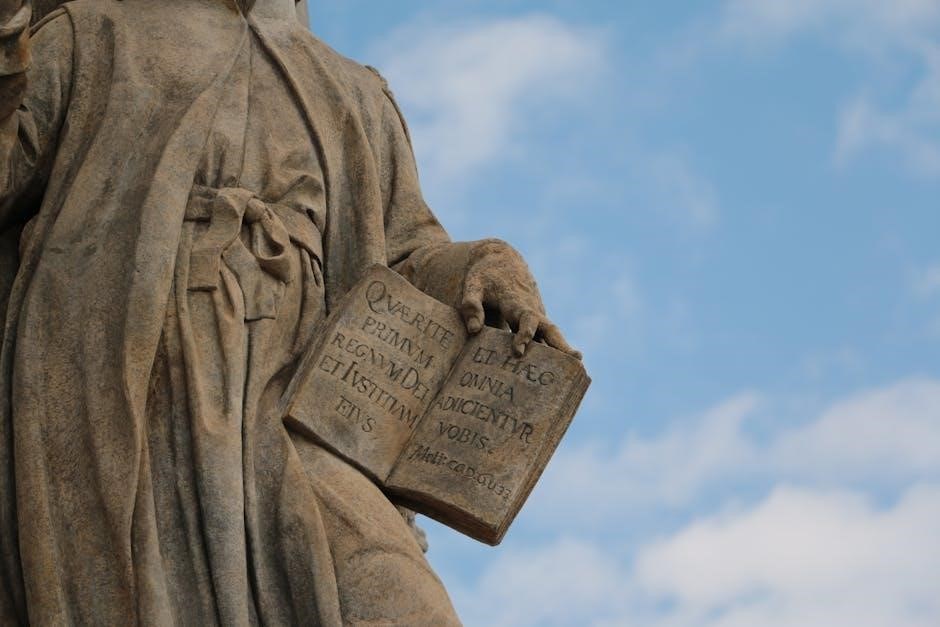
The PDF version of Foxe’s Book of Martyrs, as hosted on the Internet Archive, has a substantial file size of 2.6 Gigabytes. This large size accommodates the book’s extensive content, including detailed accounts, notes, comments, and numerous illustrations.
Importantly, the primary language of the available PDF is English, reflecting the original publication language and ensuring accessibility for a wide readership. While other translations may exist, the Internet Archive focuses on providing the original English text.
The PDF also features an automatic scrolling function for ease of reading.
Accessing and Downloading the PDF
Foxe’s Book of Martyrs PDF is readily accessible through the Internet Archive, offering both download and streaming options. Users can easily locate the book by searching for “Foxe, John, 1516-1587” or the full title on the platform.
To download, simply navigate to the book’s page and select the download icon. The Internet Archive supports various download formats, ensuring compatibility with different devices. Streaming allows for immediate reading without downloading, ideal for quick access.
No account registration is typically required for basic access and download.

Key Features of the PDF
The PDF of Foxe’s Book of Martyrs boasts 704 pages, automatic scrolling, and includes valuable notes, comments, and illustrations enhancing the reading experience.
Automatic Scrolling Feature
The PDF version of Foxe’s Book of Martyrs, accessible through the Internet Archive, offers a convenient automatic scrolling feature. This functionality allows readers to navigate the extensive 704-page text with ease, eliminating the need for manual page turns.
This is particularly beneficial when studying the detailed accounts of martyrs’ lives and sufferings, as it maintains focus on the narrative. The seamless flow enhances the immersive reading experience, allowing for uninterrupted engagement with Foxe’s historical work. It’s a user-friendly addition, making this significant historical document more accessible to modern researchers and enthusiasts alike.
Page Count (704 Pages)
The PDF edition of Foxe’s Book of Martyrs, available for free download and streaming on the Internet Archive, is a substantial work, comprising a total of 704 pages. This extensive length reflects the detailed and comprehensive nature of John Foxe’s account of Christian persecution throughout history.
Each page is filled with narratives of suffering, triumph, and faith, documenting the lives of both primitive and Protestant martyrs. The considerable page count underscores the depth of research and the breadth of historical coverage presented within this influential text. It’s a significant undertaking for any reader, but richly rewarding.
Notes, Comments, and Illustrations
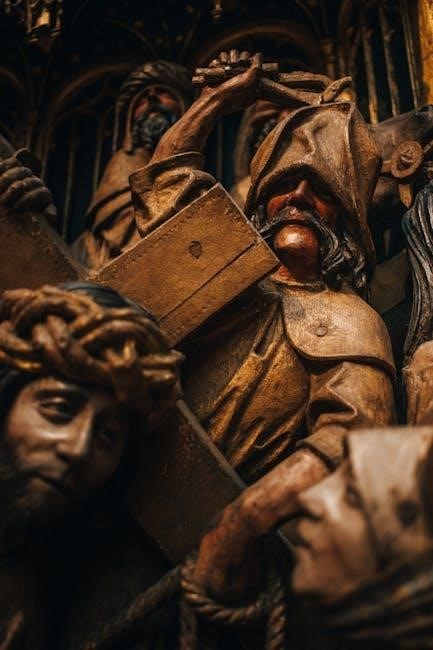
The Internet Archive’s PDF of Foxe’s Book of Martyrs isn’t simply a reproduction of the original text; it’s enhanced with valuable supplementary material. The edition includes extensive notes and insightful comments that provide context and deeper understanding of the historical events described.
Furthermore, the PDF features illustrations, adding a visual dimension to the often-grim narratives of persecution and martyrdom. These elements collectively enrich the reading experience, offering a more complete and nuanced perspective on this pivotal work of Protestant history. They aid comprehension and emotional connection.
Historical Impact and Criticism
Foxe’s Book of Martyrs profoundly shaped Protestant identity, though its accuracy faces scrutiny; editions like Milner’s demonstrate ongoing revisions and interpretations.
Influence on Protestant Identity
Foxe’s Book of Martyrs exerted a monumental influence on the formation of Protestant identity, particularly in England. The vividly detailed accounts of suffering and “triumphant deaths” served to galvanize religious conviction and foster a sense of shared persecution amongst Protestants.
The PDF version, readily accessible through platforms like the Internet Archive, allowed for widespread dissemination of these narratives. It became a cornerstone of Protestant education and propaganda, solidifying a collective memory of resistance against perceived Catholic tyranny.
The book’s emotional power and compelling storytelling contributed significantly to the shaping of a distinct Protestant worldview, emphasizing faith, courage, and the ultimate triumph of righteousness over oppression. Its impact resonated for centuries, influencing religious and political landscapes.
Accuracy and Bias in the Accounts
Foxe’s Book of Martyrs, while profoundly influential, is not without its scholarly criticisms regarding accuracy and demonstrable bias. As a work of religious persuasion, Foxe selectively presented evidence to bolster the Protestant cause, often exaggerating the cruelty of persecutors and idealizing the steadfastness of martyrs.
The PDF versions available, such as those on the Internet Archive, allow modern readers to examine the original source material and assess these claims. Historians note that Foxe sometimes relied on hearsay and lacked rigorous source verification.
Despite these shortcomings, the book remains a valuable historical document, offering insight into the perceptions and beliefs of the 16th-century Protestant community, even while acknowledging its inherent subjectivity.
Editions and Revisions (e.g., Milner’s Edition)
Foxe’s Book of Martyrs underwent numerous editions and revisions following its initial publication, each reflecting the evolving religious and political landscape. The PDF versions available today represent various iterations of the text.
Notably, John Milner’s edition, published in London by W. Tegg in 1851, is a frequently encountered version on platforms like the Internet Archive. Milner’s work included extensive notes and commentary, aiming to update and contextualize Foxe’s original accounts for a 19th-century audience.
Other editions, such as those published by Knight and Son, also exist, offering differing levels of annotation and editorial intervention. Comparing these editions reveals the changing interpretations of martyrdom over time.
The Book’s Reception Over Time
Foxe’s Book of Martyrs experienced a complex reception throughout history. Initially, it served as powerful propaganda during the English Reformation, bolstering Protestant identity and fueling anti-Catholic sentiment. The readily available PDF versions today demonstrate its enduring accessibility.
Over centuries, the book’s accuracy faced scrutiny, with critics questioning Foxe’s biases and the reliability of his sources. Despite this, it remained a cornerstone of Protestant education and a potent symbol of religious persecution.
The continued availability of the PDF ensures its ongoing study, allowing modern readers to engage with this influential, yet contested, historical narrative.

Comparing Different Editions
Various editions of Foxe’s work exist, including the original publication, W. Tegg’s 1851 edition, and Knight and Son’s edition, all accessible as PDFs.
Original English Publication
The initial publication of The Actes and Monuments, commonly known as Foxe’s Book of Martyrs, appeared in English during the reign of Mary I. This foundational edition laid the groundwork for subsequent revisions and expansions. While a direct PDF of the very first printing is less readily available through sources like the Internet Archive, its influence permeates all later versions.
Later editions, such as those by W. Tegg (1851) and Knight and Son, built upon Foxe’s original research and narrative; These editions, often found as downloadable PDFs, represent a continuation of his work, albeit with editorial adjustments and additions. The core content, detailing the persecution and deaths of martyrs, remains consistent across these iterations, stemming from Foxe’s pioneering efforts.
W. Tegg’s 1851 Edition
The 1851 edition, published by W. Tegg in London, represents a significant iteration of Foxe’s Book of Martyrs. This version, often accessible as a PDF, is notable for being edited by John Milner. Milner’s editorial hand likely introduced revisions and potentially interpretations influencing the presentation of the original material.
Available through the Library of Congress collection on the Internet Archive, this edition offers researchers a valuable resource. It provides a glimpse into how Foxe’s work was understood and disseminated during the Victorian era. The PDF format allows for easy access and study of this historically important text, preserving its content for modern audiences.
Knight and Son’s Edition
Knight and Son’s edition, published in London, is another readily available PDF version of Foxe’s Book of Martyrs through the Internet Archive. This particular edition is part of the Library of Congress collection, signifying its historical and scholarly importance. The digital format ensures preservation and broad accessibility for researchers and those interested in religious history.
This edition, like others, details the lives, sufferings, and deaths of both primitive and Protestant martyrs across the globe. Its availability as a downloadable PDF facilitates in-depth study and analysis of Foxe’s comprehensive work, offering a valuable resource for understanding the historical context of religious persecution.

Using the PDF for Research
The PDF allows researchers to identify primary sources, cross-reference accounts, and analyze Foxe’s narrative style, aiding deeper understanding of historical persecution.
Identifying Primary Sources
Utilizing the PDF of Foxe’s Book of Martyrs for research necessitates careful source identification. While Foxe compiled accounts from various sources, discerning original documentation is crucial. The text frequently references letters, official records, and eyewitness testimonies, though often filtered through his Protestant lens.
Researchers should note that Foxe drew upon earlier martyrologies and chronicles. The PDF’s notes and comments, particularly in editions like Milner’s, can offer clues regarding source material. However, verifying these claims with independent historical texts is paramount. The 704-page document provides a wealth of information, but critical analysis is essential to separate primary accounts from secondary interpretations within Foxe’s comprehensive work.
Cross-Referencing with Other Historical Texts
Employing the PDF version of Foxe’s Book of Martyrs effectively demands cross-referencing with contemporary historical sources. Given potential biases within Foxe’s narrative, corroborating his accounts is vital for accurate research. Compare his depictions of persecution with official records from the periods he covers, such as papal bulls or royal decrees.
Consult alternative chronicles and histories from both Protestant and Catholic perspectives. Examining accounts of the same events from differing viewpoints reveals nuances and potential distortions. The Internet Archive’s availability of diverse historical texts facilitates this comparative analysis, strengthening the validity of research based on Foxe’s extensive, yet potentially subjective, work.
Analyzing Foxe’s Narrative Style
The PDF of Foxe’s Book of Martyrs allows detailed examination of his writing. Note Foxe’s dramatic and emotive language, designed to evoke sympathy for the martyrs and galvanize Protestant sentiment. His use of vivid descriptions of suffering, particularly “triumphant deaths,” is a key stylistic element.
Analyze how Foxe structures his narratives – often focusing on individual stories to illustrate broader patterns of persecution. Consider his use of sources and how he presents evidence. Recognizing these stylistic choices is crucial for understanding the book not just as a historical record, but as a powerful piece of propaganda and religious literature.
Modern Relevance and Study
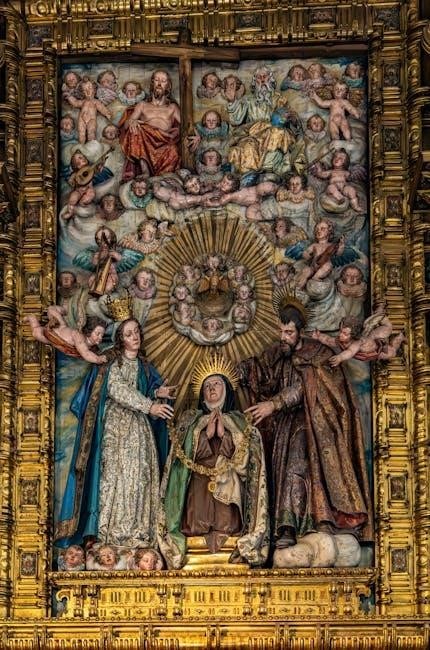
The PDF remains a significant resource for religious history, offering insights into persecution and Protestant identity, with over 300 million reviews available.
The Book’s Continued Appeal
Foxe’s Book of Martyrs, now accessible as a 704-page PDF through platforms like the Internet Archive, maintains a powerful resonance with readers centuries after its initial publication. Its enduring appeal stems from the vividly detailed accounts of suffering and “triumphant deaths” experienced by early Christians and Protestants.
The readily available PDF format facilitates research and study, allowing modern audiences to engage directly with this pivotal work of religious history. The book’s narrative style, though potentially biased, continues to captivate, offering a compelling, if sometimes harrowing, glimpse into a turbulent period of faith and persecution. The automatic scrolling feature enhances the reading experience, making this substantial text more accessible.
Its Place in Religious History
Foxe’s Book of Martyrs, now widely available as a downloadable PDF, occupies a significant position within the landscape of religious history, particularly concerning the Protestant Reformation. Originally titled “Actes and Monuments,” the work served as a foundational text for shaping Protestant identity and understanding of persecution.
The PDF version, sourced from institutions like the Library of Congress via the Internet Archive, allows for easy access to this primary source. While scholarly debate surrounds its accuracy and potential biases, its influence on subsequent historical interpretations and religious narratives remains undeniable. The book’s detailed accounts cemented its place as a cornerstone of Protestant historical consciousness.
Resources for Further Study
For deeper exploration beyond the readily accessible PDF of Foxe’s Book of Martyrs on the Internet Archive, several avenues exist. Examining editions like W. Tegg’s 1851 version, edited by Milner, provides insight into evolving interpretations.
Scholarly articles analyzing Foxe’s narrative style and historical context are crucial. Cross-referencing with contemporary accounts and broader Reformation histories offers a nuanced perspective. Trustpilot, while unrelated to the book itself, exemplifies modern review systems – a contrast to Foxe’s historical approach. Further research can uncover critical analyses of the book’s impact and enduring legacy within religious studies.