Ashtanga Vinyasa Yoga, popularized by K. Pattabhi Jois, offers a structured practice. Numerous PDF resources detail sequences, adjustments, and modifications for practitioners of all levels.

Explore online guides and detailed sequence PDFs to deepen your understanding and enhance your home practice, ensuring a safe and effective experience.
What is Ashtanga Yoga?
Ashtanga Yoga is a dynamic and physically demanding yoga practice that follows a specific sequence of postures, linked together with breath (ujjayi) and movement (vinyasa). It’s not simply about achieving poses; it’s a complete system designed to purify the body and mind through intense practice.
The practice is traditionally learned through a Mysore-style class, where students work individually, receiving personalized instruction from a teacher. This allows practitioners to progress at their own pace, building strength, flexibility, and stamina. The core of Ashtanga lies in its sequential nature – mastering each pose before moving onto the next.
Many resources, including readily available PDF guides, outline the primary series, detailing each asana and its corresponding vinyasa. These PDFs can be incredibly helpful for understanding the order of poses and practicing at home, though they are best used as a supplement to, not a replacement for, instruction from a qualified teacher. The system emphasizes a consistent, disciplined approach, fostering self-awareness and inner transformation.
Ultimately, Ashtanga is a journey of self-discovery through dedicated physical and mental discipline.
The History of Ashtanga Yoga & K. Pattabhi Jois
Ashtanga Yoga, as we know it today, is largely attributed to K. Pattabhi Jois, a prominent yoga teacher from Mysore, India. However, its roots trace back to ancient yoga traditions, specifically the teachings of Vamana Rishi, documented in the Yoga Korunta, an ancient text.
Jois learned from his guru, Tirumalai Krishnamacharya, a highly influential yoga teacher who also mentored B.K.S. Iyengar and Indra Devi. Jois synthesized these traditional teachings, developing a dynamic, flowing system that he initially called “Yoga Makaranda” before settling on Ashtanga Yoga.
He began teaching in Mysore in the 1940s, and the practice gained international recognition in the 1970s as Western students began to travel to India to study with him. Numerous PDF resources now document Jois’s teachings, preserving the lineage and making the practice accessible globally. These PDFs often include biographical information about Jois and the historical context of the practice, offering valuable insight for dedicated students.
Jois’s legacy continues to inspire practitioners worldwide, and his system remains a cornerstone of modern yoga.
Benefits of Practicing Ashtanga Yoga
Ashtanga Yoga offers a comprehensive range of physical and mental benefits. The dynamic, flowing sequences build strength, flexibility, and stamina, improving cardiovascular health and promoting weight management. The practice’s emphasis on ujjayi breath and focused attention cultivates mindfulness and reduces stress.
Regular practice can enhance body awareness, improve posture, and alleviate chronic pain. The consistent sequencing also fosters discipline and self-awareness, contributing to emotional well-being. Many practitioners report increased energy levels and a greater sense of calm.
Accessing PDF guides detailing the sequences can aid in understanding proper alignment and technique, maximizing these benefits. PDF resources often highlight modifications for various levels, ensuring a safe and effective practice. Utilizing these resources alongside consistent practice can unlock the full potential of Ashtanga Yoga, leading to a holistic improvement in physical and mental health.
The practice truly is life-changing, as many practitioners attest.

The Primary Series: A Detailed Look
Ashtanga’s Primary Series, detailed in numerous PDF guides, systematically aligns and strengthens the body. These PDFs illustrate the precise vinyasa sequences for a complete practice.
Understanding the Ashtanga Vinyasa System
Ashtanga Vinyasa Yoga isn’t merely a series of poses; it’s a dynamic, flowing system rooted in ancient yoga traditions. Understanding this system is crucial for a safe and effective practice, and thankfully, a wealth of information is available in PDF format. These resources break down the core principles that govern the practice, offering clarity for beginners and experienced yogis alike.
The system is built upon a specific sequence of postures, linked together by vinyasas – flowing movements coordinated with breath. PDF guides meticulously detail each vinyasa, illustrating the precise transitions between poses. This ensures practitioners move with intention and maintain the energetic flow. The method emphasizes ujjayi breath, a specific breathing technique that generates internal heat and promotes focus. Many PDFs include detailed instructions on mastering this vital component.
Furthermore, the Ashtanga system follows a progressive approach. Practitioners typically begin with the Primary Series and, upon mastery, move onto subsequent series. PDF resources often outline the prerequisites for advancing, helping students understand the appropriate progression. Accessing these PDF guides empowers individuals to learn at their own pace and deepen their understanding of this transformative practice.
The Core Principles: Vinyasa & Ujjayi Breath
Vinyasa and Ujjayi breath are the twin pillars of Ashtanga Yoga, and mastering them is fundamental to the practice. Fortunately, numerous PDF resources are dedicated to explaining and illustrating these core principles. Vinyasa, the synchronization of breath and movement, creates a flowing, meditative state. PDF guides often break down each vinyasa sequence, detailing the precise movements and breath cues for each pose.
Ujjayi breath, often described as “ocean breath,” generates internal heat and cultivates focus. It involves a slight constriction in the back of the throat, creating a soft, audible sound. Many PDFs provide step-by-step instructions on how to achieve this breath, including troubleshooting common difficulties. Understanding the subtle nuances of Ujjayi is key to unlocking the energetic benefits of Ashtanga.
These PDF resources aren’t just theoretical; they often include practical exercises and visualizations to help practitioners embody these principles. By diligently studying these guides, students can deepen their connection to their breath and movement, enhancing their overall Ashtanga experience and promoting a more mindful practice.
Sun Salutations (Surya Namaskar A & B) in the Primary Series
Surya Namaskar A and B form the foundational warm-up in the Ashtanga Primary Series, preparing the body for more challenging postures. Thankfully, detailed PDF guides are readily available, offering precise instructions and visual breakdowns of each variation. These PDFs typically illustrate each pose within the sequence, emphasizing correct alignment and breath synchronization.
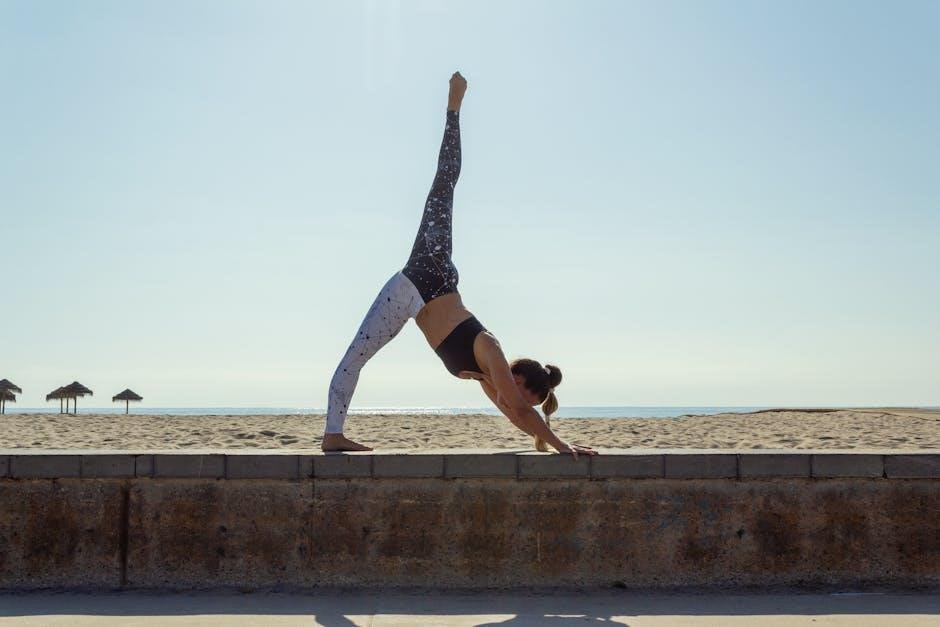
Surya Namaskar A, the simpler of the two, establishes the basic vinyasa flow. Surya Namaskar B introduces more complexity, including chair pose and warrior one, building strength and stamina. Many PDF resources provide modifications for beginners or those with physical limitations, ensuring accessibility for all levels.
Beyond the poses themselves, PDFs often highlight the importance of the drishti (gaze point) and bandhas (energy locks) within the sun salutations. Mastering these elements enhances the energetic impact of the practice. Utilizing these PDF resources allows practitioners to build a solid foundation and safely progress through the Ashtanga sequence.
Asana Breakdown: Key Poses in the Primary Series
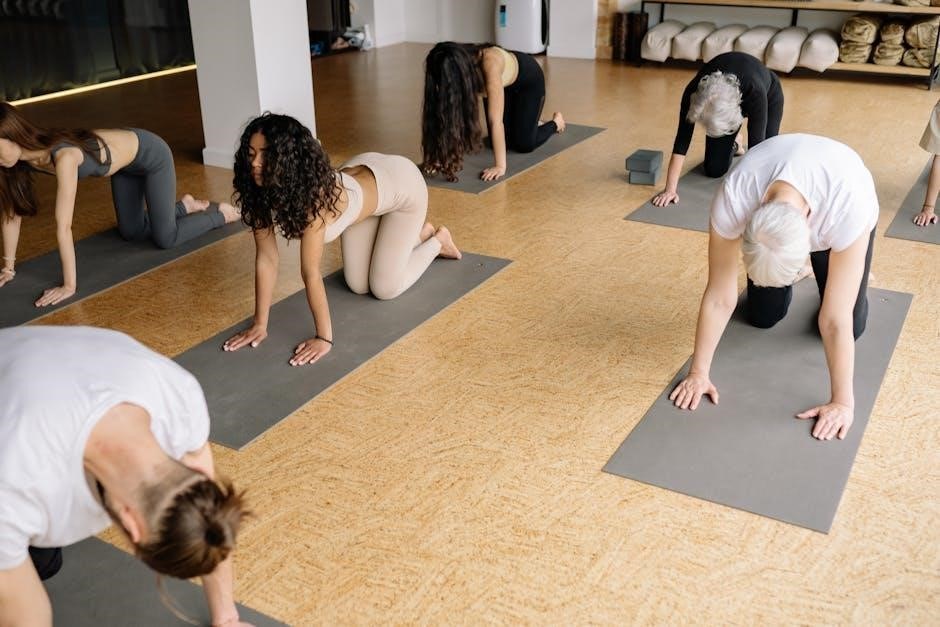
PDF resources meticulously detail each asana, offering visual guides and alignment cues. They break down complex poses into manageable steps, aiding understanding and safe practice.
These PDFs are invaluable for mastering the Ashtanga sequence.
Standing Poses: Building Foundation & Strength
PDF guides dedicated to the Primary Series consistently emphasize the crucial role of standing poses in establishing a solid foundation for the entire practice. These aren’t merely preparatory; they actively cultivate strength, stability, and mindful awareness within the body. Documents often visually break down Padangustasana (Big Toe Hold Pose), Padahastasana (Hand-to-Foot Pose), and the variations of Trikonasana (Triangle Pose) and Parivrtta Trikonasana (Revolved Triangle Pose).
Detailed PDFs illustrate precise alignment cues for each pose, highlighting the engagement of key muscle groups – legs, core, and back – to ensure proper form and prevent injury. They frequently include modifications for varying levels of flexibility and strength, making the practice accessible to a wider range of practitioners. Some resources even offer step-by-step instructions with accompanying photographs, demonstrating the correct entry and exit from each pose.
Furthermore, these PDFs often explain the energetic benefits of the standing poses, emphasizing how they ground the practitioner and build internal heat, preparing the body for the more challenging poses that follow. They underscore the importance of the vinyasa – the synchronized breath and movement – in linking the poses together seamlessly, creating a flowing and dynamic sequence.

Forward Bends: Cultivating Flexibility & Calm
PDF resources focusing on the Ashtanga Primary Series consistently detail forward bends as pivotal for releasing tension and increasing flexibility, particularly in the hamstrings and spine. Documents often provide in-depth instructions for Paschimottanasana (Seated Forward Bend) and its preparatory poses, emphasizing the importance of a straight spine maintained throughout the stretch.
These PDF guides frequently illustrate variations to accommodate different levels of flexibility, suggesting the use of a strap or bent knees for beginners. They highlight the subtle nuances of alignment, such as broadening across the collarbones and drawing the navel towards the spine, to deepen the stretch safely and effectively. Detailed imagery showcases proper hand placement and spinal curvature.
Beyond the physical benefits, PDFs often explain how forward bends calm the nervous system and promote introspection. They emphasize the importance of mindful breathing – utilizing Ujjayi breath – to deepen the stretch and cultivate a sense of inner peace. Resources also address common mistakes, like rounding the back, and offer corrective cues to maintain proper form and prevent injury.
Seated Poses: Deepening the Practice
PDF guides dedicated to the Ashtanga Primary Series consistently emphasize seated poses as crucial for stabilizing the pelvis, lengthening the spine, and preparing for backbends. These resources meticulously detail poses like Baddha Konasana (Bound Angle Pose) and Upavistha Konasana (Wide-Angle Seated Forward Bend), offering step-by-step instructions and alignment cues.
Many PDFs provide modifications for varying levels of flexibility, suggesting the use of blocks under the hands in forward folds or blankets under the sit bones for support. They often illustrate the importance of maintaining a neutral spine and engaging the core muscles to protect the lower back. Detailed anatomical diagrams clarify muscle engagement.
Beyond physical alignment, these resources highlight the meditative aspect of seated poses, encouraging practitioners to focus on their breath and cultivate a sense of stillness. PDFs often explain how these poses can release emotional blockages and promote a deeper connection to the body. They also address common challenges and offer solutions for maintaining proper form throughout the practice.
Backbends: Opening the Heart & Spine
PDF resources focusing on the Ashtanga Primary Series dedicate significant attention to backbends, recognizing their transformative yet potentially challenging nature. Detailed guides illustrate the progression from gentle poses like Bhujangasana (Cobra Pose) to more advanced postures such as Urdhva Dhanurasana (Wheel Pose).
These PDFs emphasize the importance of proper preparation, highlighting the role of core engagement and spinal flexibility built through preceding asanas. They provide modifications using blocks and straps to support practitioners at different levels, ensuring safe alignment and preventing injury. Anatomical illustrations clarify muscle activation.
Many guides stress the mindful approach to backbends, encouraging practitioners to listen to their bodies and avoid forcing the pose. They explain how to open the chest, lift the heart, and maintain a neutral spine. PDFs also address common mistakes and offer corrective cues. The resources often link backbends to emotional release and increased energy flow, promoting a holistic practice.
Finishing Sequence: Cooling Down & Integration
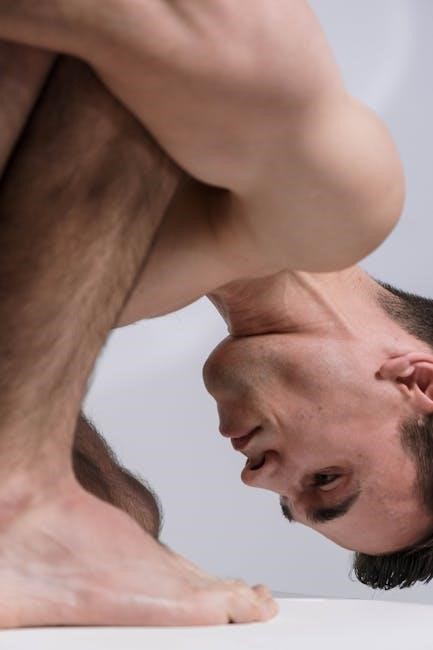
PDF guides dedicated to the Ashtanga Primary Series consistently emphasize the crucial role of the finishing sequence. This section, often overlooked, is vital for grounding the practice and integrating its benefits. Detailed PDFs outline the precise order of postures, including twists, gentle backbends, and seated forward folds.
These resources highlight the importance of Paschimottanasana variations and seated twists like Ardha Matsyendrasana, explaining how they calm the nervous system and promote detoxification. PDFs often include instructions for Savasana (Corpse Pose), emphasizing complete relaxation and mindful awareness of the breath.
Many guides provide modifications for individuals with limited flexibility or back pain. They explain the energetic effects of each posture, linking them to the chakras and nadis. PDF resources also detail the traditional closing chants and the importance of gratitude, fostering a sense of completion and inner peace. Proper execution, as shown in PDFs, ensures a balanced practice.
Finding Ashtanga Yoga Resources in PDF Format
PDF guides offer accessible Ashtanga practice. Online resources provide beginner sequences and detailed asana breakdowns. Explore PDFs for adjustments and modifications, enhancing your understanding.
Online PDF Guides for Beginners
Ashtanga Yoga can seem daunting for newcomers, but thankfully, a wealth of online PDF guides are available to simplify the learning process. These resources often break down the Primary Series into manageable steps, providing clear instructions and visual aids for each asana (pose).
Many beginner-friendly PDFs focus on establishing a solid foundation in the fundamental principles of Ashtanga – the vinyasa system, ujjayi breath, and bandhas (energy locks). They typically include detailed explanations of these concepts, alongside modifications to accommodate varying levels of flexibility and strength.
Look for guides that offer sequential instruction, starting with Surya Namaskar A and B, and gradually introducing the standing, seated, and finishing poses. Some PDFs even incorporate helpful tips on alignment and common mistakes to avoid. Remember to prioritize safety and listen to your body while practicing. Utilizing these PDF resources can empower you to begin your Ashtanga journey with confidence and understanding, building a sustainable and rewarding practice.
Detailed Ashtanga Sequence PDFs
For dedicated practitioners seeking a comprehensive understanding of the Ashtanga Primary Series, detailed sequence PDFs are invaluable. These resources go beyond basic instructions, offering a precise breakdown of each asana, including the specific vinyasa count – the number of breaths held in each pose and the transitions between them.
Advanced PDFs often feature photographic or illustrated sequences, demonstrating proper alignment and offering subtle cues for deeper engagement. They may also include Sanskrit names for each pose, enhancing your understanding of the traditional terminology. These documents are particularly useful for memorizing the sequence and refining your practice.
Many experienced Ashtanga teachers create and share these detailed PDFs, providing insights gleaned from years of practice and teaching. When selecting a sequence PDF, ensure it originates from a reputable source. Utilizing these resources allows you to deepen your connection to the practice, fostering a more mindful and consistent routine, and ultimately, a more profound experience of Ashtanga Yoga.
PDF Resources for Ashtanga Adjustments & Modifications
Ashtanga Yoga, while powerful, requires mindful attention to individual needs. PDF resources focusing on adjustments and modifications are crucial for safe and effective practice, especially for beginners or those with physical limitations. These guides often illustrate how to modify poses to accommodate varying levels of flexibility and strength.
Detailed PDFs demonstrate verbal cues and hands-on adjustments commonly used by experienced teachers, offering insights into how to deepen poses safely. They may also address common alignment issues and provide solutions. Resources specifically designed for different body types or injuries are particularly valuable.
It’s important to remember that self-adjustment can be risky; these PDFs should complement, not replace, guidance from a qualified Ashtanga instructor. Utilizing these resources empowers you to understand your body better, practice with greater awareness, and adapt the sequence to suit your unique needs, fostering a sustainable and fulfilling Yoga journey.
Challenges & Considerations in Ashtanga Practice
Ashtanga’s demanding sequence can lead to injuries if proper alignment isn’t maintained. PDF resources highlight common issues, emphasizing the need for a qualified teacher’s guidance.
Common Injuries & How to Prevent Them
Ashtanga Yoga, while profoundly beneficial, presents specific injury risks due to its dynamic and physically demanding nature. Common issues include wrist strain, lower back pain, hamstring injuries, and shoulder impingement. Many PDF resources dedicated to Ashtanga practice directly address these concerns, offering preventative measures and modifications.
Wrist injuries frequently occur in Chaturanga Dandasana and handstands; strengthening wrist flexors and extensors, alongside utilizing props like wrist supports, can mitigate risk. Lower back pain often stems from improper core engagement during forward bends and backbends – PDF guides emphasize maintaining a neutral spine and activating abdominal muscles.
Hamstring strains are prevalent during Paschimottanasana; practitioners should avoid forcing the stretch and focus on lengthening the spine first. Shoulder injuries can arise from improper alignment in poses like Adho Mukha Svanasana (Downward-Facing Dog). Detailed PDFs illustrate correct alignment cues and offer alternative poses for those with limited shoulder mobility.
Ultimately, listening to your body, practicing with a qualified teacher, and utilizing supplemental PDF resources for injury prevention are crucial for a safe and sustainable Ashtanga practice.

Modifications for Different Body Types & Abilities
Ashtanga Yoga, traditionally presented as a fixed sequence, benefits greatly from mindful modifications catering to diverse body types and abilities. Thankfully, numerous PDF resources are emerging that specifically address this need, moving beyond a “one-size-fits-all” approach.
Individuals with limited flexibility can utilize props like blocks and straps to access poses safely and effectively. PDF guides often illustrate these modifications, demonstrating how to maintain alignment while honoring physical limitations. Those with hypermobility may require strengthening exercises and postural adjustments, also detailed in accessible PDFs.
For practitioners with injuries or chronic conditions, modifications are essential. PDF resources frequently offer alternative poses or suggest skipping certain asanas altogether. Larger body types may benefit from wider stances and modified Chaturanga Dandasana variations, clearly depicted in instructional PDFs.
The key is to prioritize self-awareness and adapt the practice to suit individual needs. Utilizing PDF guides alongside a qualified teacher empowers practitioners to create a sustainable and joyful Ashtanga experience, regardless of their physical characteristics.
The Importance of a Qualified Ashtanga Teacher
While PDF resources offer valuable support for Ashtanga Yoga practice, they cannot replace the guidance of a qualified teacher. A skilled instructor provides personalized adjustments, ensuring correct alignment and preventing injuries – aspects difficult to grasp solely from a PDF.
A teacher understands the subtle nuances of the practice, offering modifications tailored to individual needs and limitations. They can observe postural imbalances and provide real-time feedback, something a static PDF cannot replicate. Furthermore, a teacher embodies the lineage and philosophy of Ashtanga, enriching the practice beyond the physical asanas.
PDFs are excellent supplemental tools for reviewing sequences and understanding foundational principles, but they shouldn’t be the sole source of instruction. A teacher can clarify complex concepts, address specific questions, and foster a deeper connection to the practice.
Ultimately, a qualified Ashtanga teacher ensures a safe, effective, and authentic learning experience, complementing the information found in PDF guides and promoting long-term progress.